

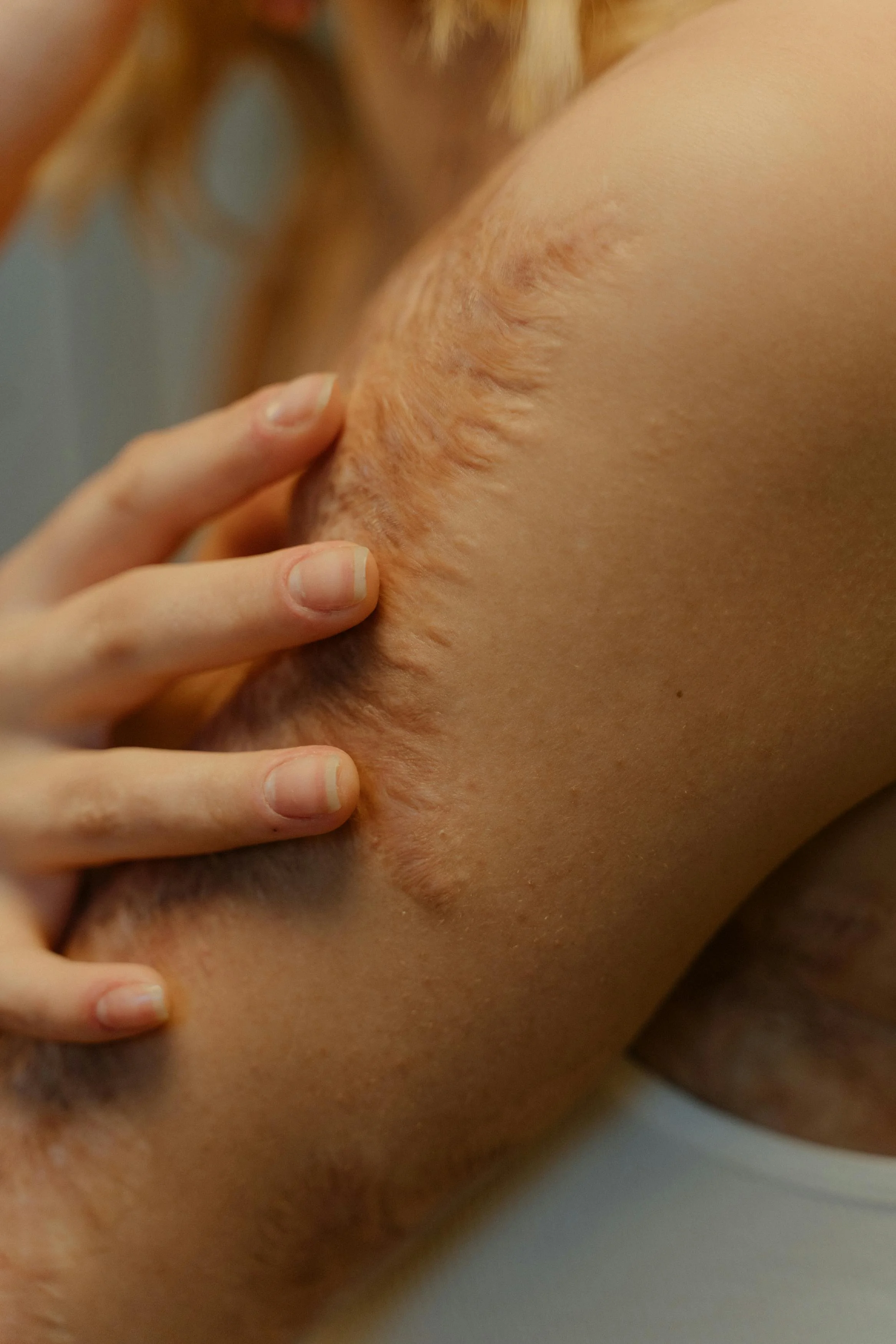

Skin cancer surgery
Treatment philosophy
Skin cancer is usually very treatable, especially when caught early. The exact treatment depends on the type of skin cancer, its size, and where it is on the body, but here are the main approaches we use:
01
Surgical Removal (Cutting the Cancer Out)
This is the most common treatment. We numb the area and remove the cancer along with a small border of healthy skin to maximize the chance that all cancer cells are removed.
It’s used for: most types of skin cancer
What to expect: usually a quick procedure with a scar. Expect bruising, swelling, and resting from physical activity and laborious work for 4 weeks after surgery.
02
Mohs Surgery (not offered at Barkho Plastic Surgery)
Mohs is a surgery where the doctor removes the cancer layer by layer and checks each layer under a microscope right away. They stop only when no cancer cells remain.
It’s used for: cancers on the face, nose, ears, or places where saving as much healthy skin as possible matters
Benefits: highest cure rate; smallest possible scar
Cons: prolonged process
03
Freezing (Cryotherapy) (not offered at Barkho Plastic Surgery)
The doctor freezes the cancer with liquid nitrogen. This kills the abnormal cells.
It’s used for: very early, superficial skin cancers and precancerous spots
Benefits: quick, no cutting; may blister or scab as it heals
Benefits: no surgery; treatment happens over multiple sessions
Cons: not effective against larger cancers
04
Topical Medications (Creams or Gels)
Some early skin cancers can be treated with prescription creams that stimulate the immune system or kill cancer cells.
It’s used for: very early-stage surface cancers
Example: fluorouracil (5-FU)
Cons: needs time to heal the irritation
05
Radiation Therapy
Radiation uses high-energy beams to destroy cancer cells. It’s sometimes used when surgery isn’t ideal (for example, in older adults or for cancers in hard-to-treat locations).
It’s used for: certain basal cell and squamous cell cancers
Cons: multiple visits, loss of skin elasticity

What’s the “best” treatment?
There isn’t one single best method — the right choice depends on:
the type of skin cancer
how deep it is
where it’s located
your age and overall health
A dermatologist or cancer specialist will guide the decision.
Frequently Asked Questions
-
Lorem ipsum dolor sit amet, consectetur adipiscing elit. Sed posuere consectetur est at lobortis. Nulla vitae elit libero, a pharetra augue. Praesent commodo cursus magna, vel scelerisque nisl consectetur et. Integer posuere erat a ante venenatis dapibus posuere velit aliquet.
-
Lorem ipsum dolor sit amet, consectetur adipiscing elit. Cras mattis consectetur purus sit amet fermentum. Vestibulum id ligula porta felis euismod semper. Maecenas faucibus mollis interdum. Donec sed odio dui. Aenean eu leo quam.
-
Lorem ipsum dolor sit amet, consectetur adipiscing elit. Donec ullamcorper nulla non metus auctor fringilla. Etiam porta sem malesuada magna mollis euismod. Morbi leo risus, porta ac consectetur ac, vestibulum at eros. Nullam quis risus eget urna mollis ornare vel eu leo.